
In the last part of our section on Sanagra bees, we took a look inside the hive - a world where everything has order, rhythm and meaning. We found out how bees live, what they accomplish in their short lives, and what it means to "make" honey.
Today we will move a little further from the hive - to the field. It is there that the bees work quietly, providing the basis for a successful harvest every day: pollination. We'll talk about why their role is so important to agriculture, how this process works, what it means to nomadise a colony - and what our beekeepers have to do to make it all work.
The bee - an irreplaceable ally of nature
From the bee's point of view, nectar comes first - a sweet source of energy that they collect for themselves and for the whole hive. Pollination itself doesn't interest them that much - it's just a side effect of their daily efforts. But it is of great importance to us.
As they fly from one flower to the next, pollen is naturally trapped on their bodies, which they then unknowingly pass on. And it's these unobtrusive flight paths that are key to allowing plants to produce fruit. Without pollination, many fruits, vegetables, and oilseed crops would either not produce a crop at all or would be smaller, irregular, and of lower quality.
In other words, even such tiny, almost unnoticed connections between plants and insects are the basis of an important symbiosis that has functioned on Earth for millions of years. The bee benefits from food, the plant benefits from pollination, and we benefit from the plant. But it doesn't happen consciously - quid pro quo. It's simply an indispensable link in organic farmingwhich maintains the balance in the country. And when the beekeeper's expertise is combined with a feeling for nature, a silent partnership that is deeply meaningful emerges.
The beekeeper decides where the bee flies (if he knows how 😊)
Bees do not fly blind - their work has its own rhythm and rules. For pollination to work exactly where we need it, the experience of the beekeeper comes into play. It is the beekeeper who keeps track of when and where each crop is flowering and decides where to "send" the bees. It's not just about hives and flowers - it's about timing, respect for nature and sensitive cooperation between man and insects. And how does it all work in practice? Again, we asked the most competent beekeepers - our beekeepers Miroslav Líška and Pavel Straka.
How do you know where bees are currently most needed in terms of harvest?
ML + PS: We follow the rhythm of flowering. We know which crops are flowering and which need pollination - rape, mustard, clover... We move our bees to exactly where they can help the most.
However, there is a brief silence between these major field blooms. And that's when the acacia comes into its own - a gift of nature for bees that, although it doesn't require pollination, rewards them with rich and exceptionally high quality nectar. On the face of it, an interlude, in fact one of the most powerful moments of the season.
It's all about listening to nature and respecting its pace.
So you're moving bee colonies from field to field?
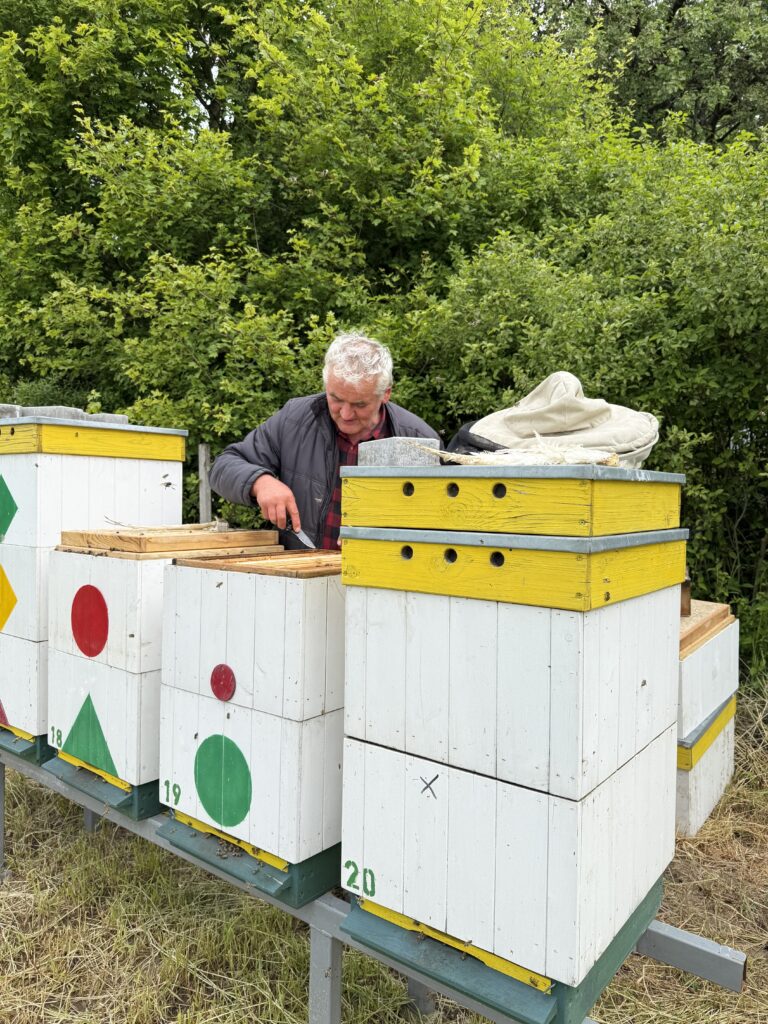
ML+PS: Yes, it's called nomadism and we do it to move the bees to flowering crops - like rape, acacia or mustard. This way the bees have plenty of nectar and pollen and also help with pollination where we need it most. This has a direct impact on both the quality and quantity of the harvest.
If you place a hive next to a field, how can you be sure the bees will stay there?
ML+PS: No - if they have enough food nearby, they stay loyal to that place. Bees don't fly further than they have to, they are efficient. If they have a flowering crop "around the corner", they are there from morning till night. That's why it's important to place the hive exactly where the crop needs it - that's when pollination works best.
How long does it take bees to get used to a new place?
ML+PS: Very quickly. Already on the second day after the transfer they start to find their way in the new terrain. The sun, the polarization of light and their own "scent map" that they create help them. As long as there are plenty of flowers around, they adapt without any problems.
Coaching sounds romantic, but how does it technically work?
ML+PS: Not so much for the bees, but for us, yes. The hives are moved in the evening when all the bees are "home". We move them at least three kilometres so that they don't return to their original location. And when we move them out of our cadastral area, it has to be checked by a vet - to prevent the spread of disease and to make sure everything complies with the regulations.
Does the quality of honey change when the bees move to a different crop?
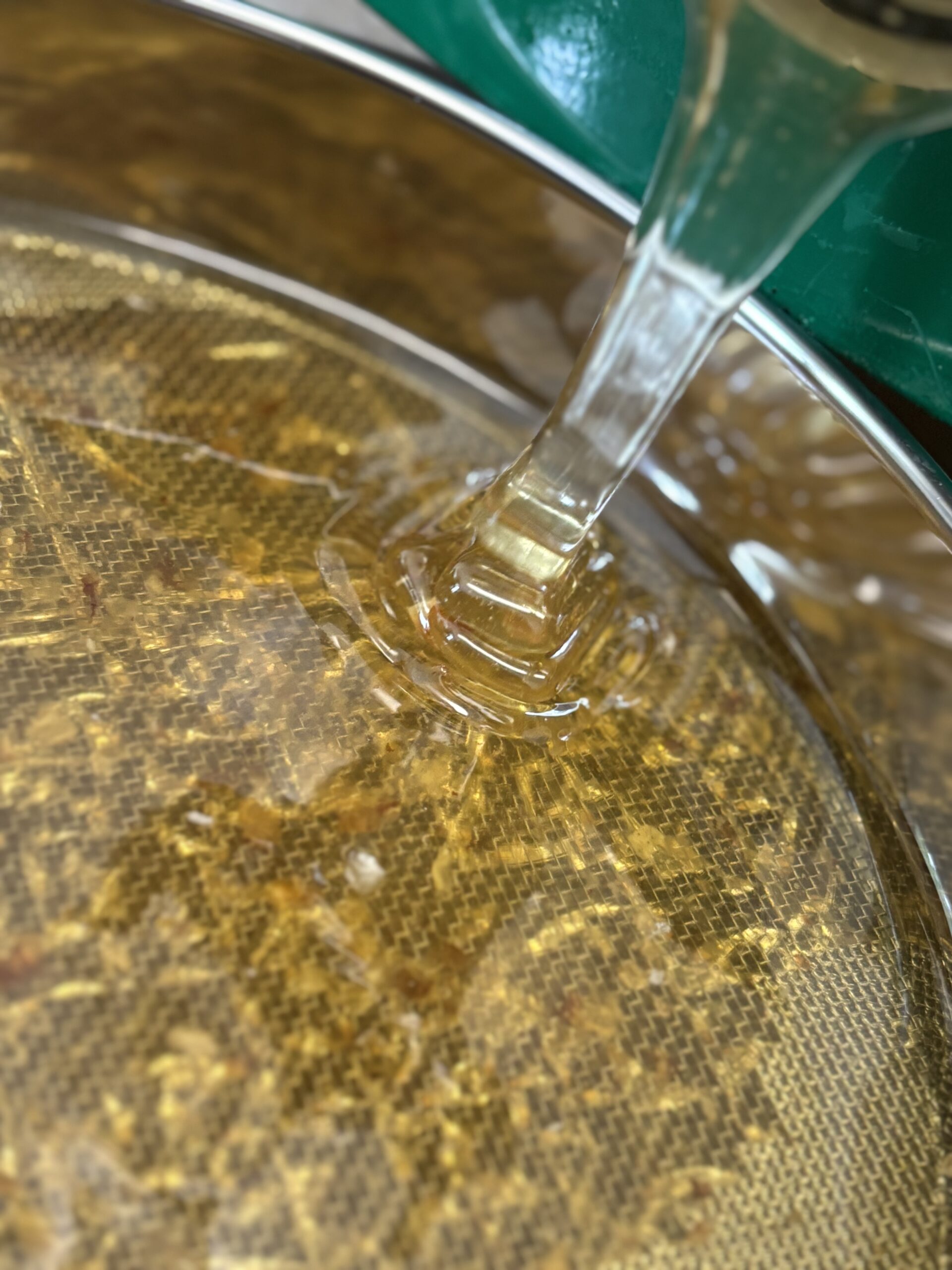
ML+PS: It certainly does. Each type of flower has a different type of nectar and a different ratio of sugars - the honey then has a different colour, taste and aroma. Canola honey is light and crystallises quickly, acacia honey stays liquid for a long time and wildflower honey has a stronger taste. The movement of the bees influences what honey is produced in a given season - that's both the beauty and the challenge.
What do you still enjoy most about beekeeping after all these years?
ML+PS: The calmness that one experiences. Bees teach us patience, precision and respect - when you immerse yourself in their world, everything slows down. It's not just about the honey and the harvest, but about a deeper understanding of nature. And that's something you can't learn from books - you have to experience it.
It's the love of a lifetime
Our gentlemen Miroslav and Pavol are living proof that even after decades of practice one can approach the craft with respect, constant curiosity and a deep understanding of a world that most of us observe only from afar. Thanks to their daily work, our bee colonies live in a natural rhythm, helping nature as well as our crops.
We are glad that it is in Sobotiště that this project has found not only its background, but also people who support it and believe in its long-term importance. Beekeeping is a way to develop organic farming in a responsible and sustainable way. It is this approach that we see as the future - farming that cares about balance, diversity and a healthy landscape.
📌 And finally, a little message for all of us:
The next time you open a jar of our Sanagra honey during Christmas (in a few months 😊), remember that behind every spoonful there are thousands of bees and two people. They are the ones who, day in and day out, create the conditions for them to do the most important thing - pollinate the earth and turn its bounty into the sweetest reward: honey.